A cookie is a small file a website asks your browser to keep. This page lists every one we use, and the other things we keep in your browser.
This website
This website — talkingsuites.com — sets no cookies of its own. It runs no analytics, no advertising and no tracking scripts.
Its two forms — Request early access and Contact — are protected by Google reCAPTCHA, which tells a person from a bot. It loads only on those two pages, when you start using the form, and Google may set its own cookies to do its job. They are described in Google’s privacy policy, and Google’s terms apply.
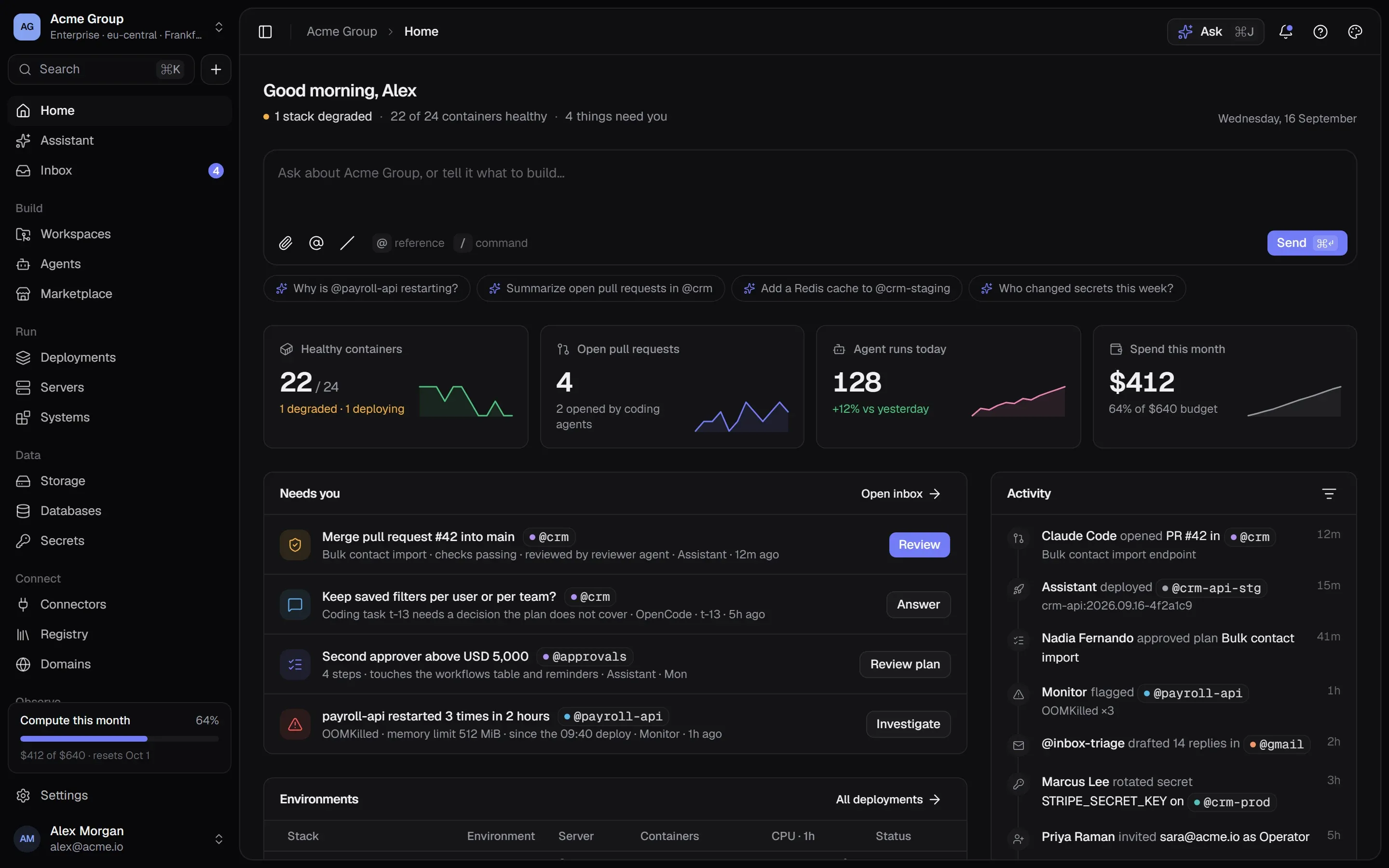
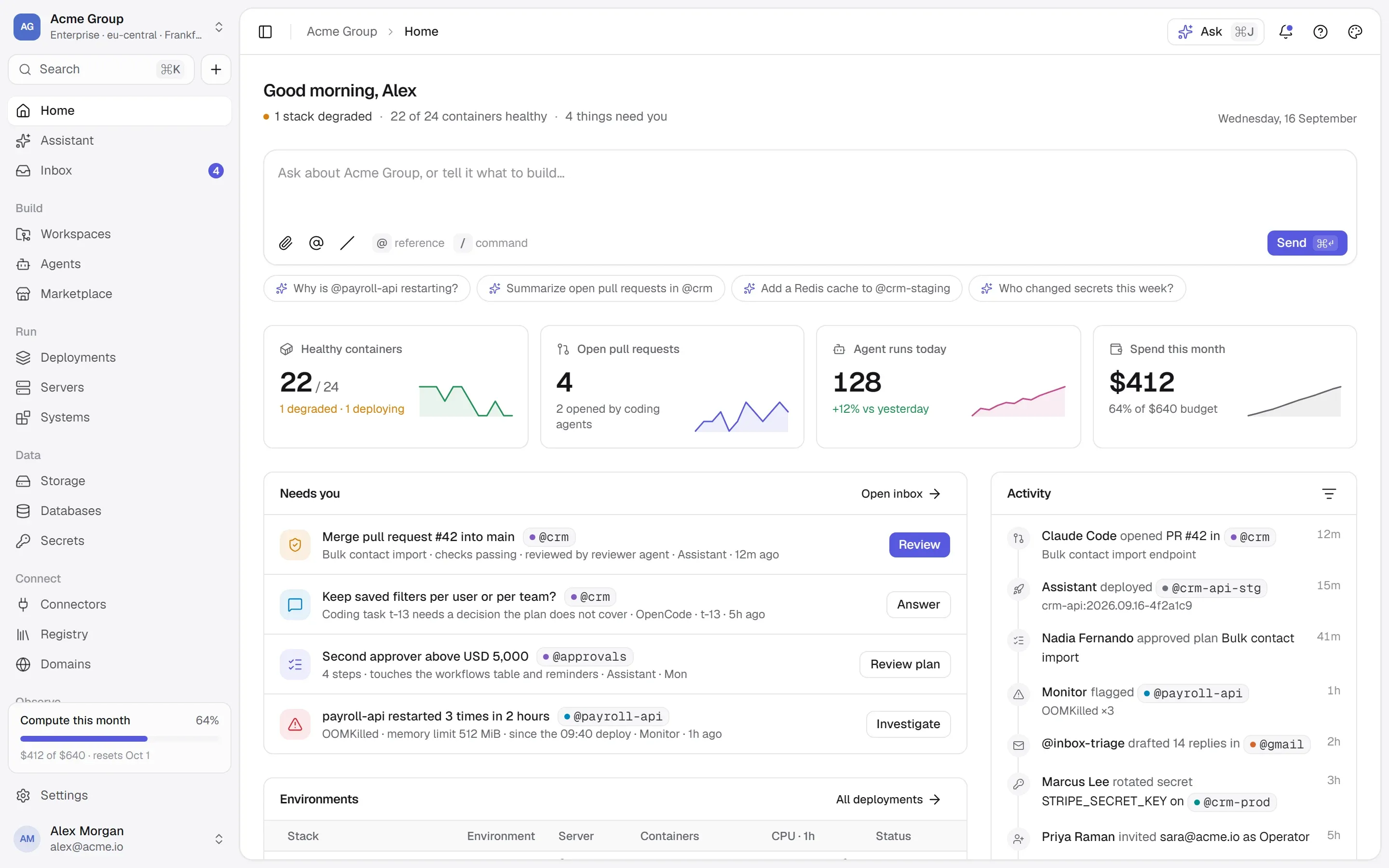
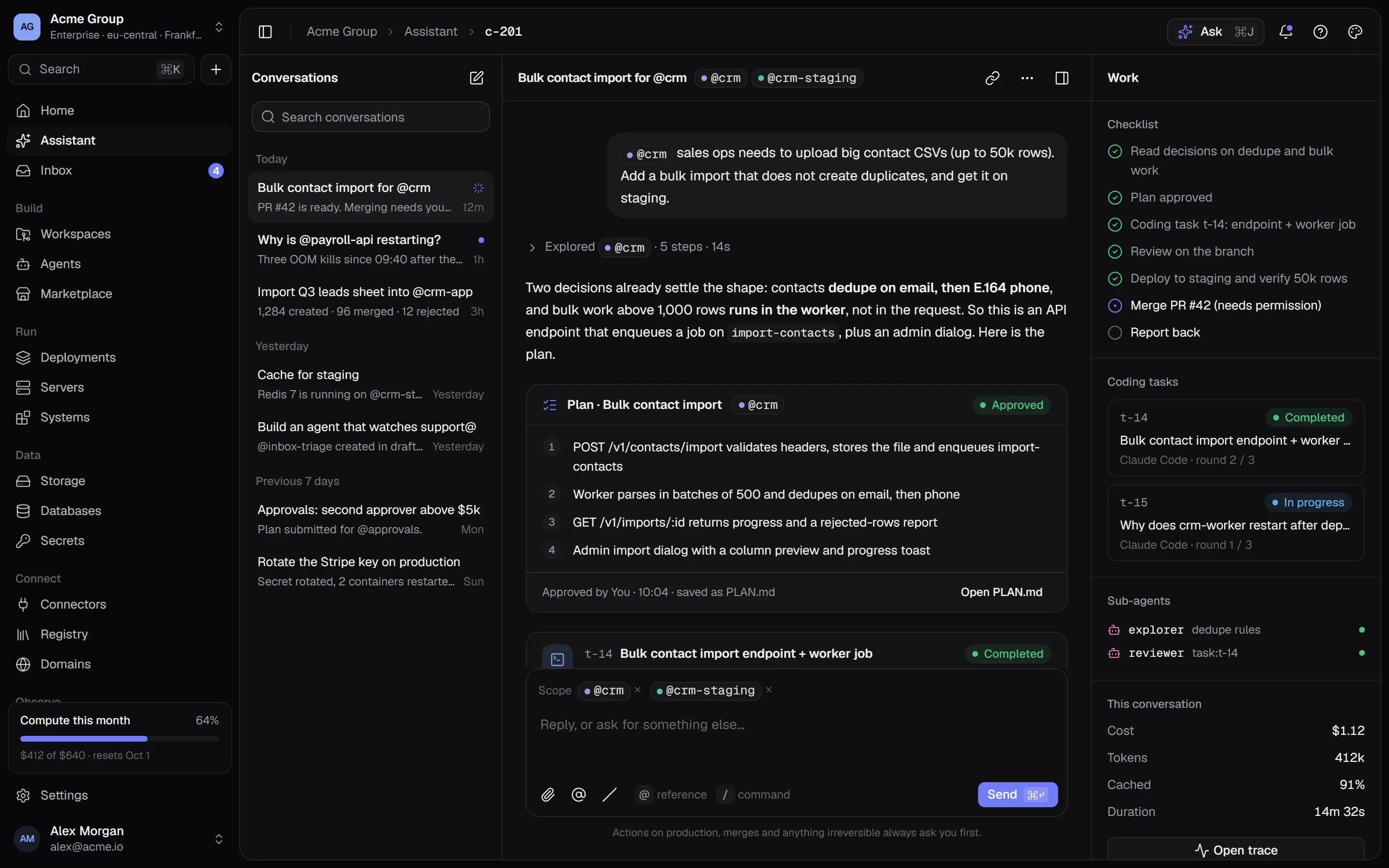
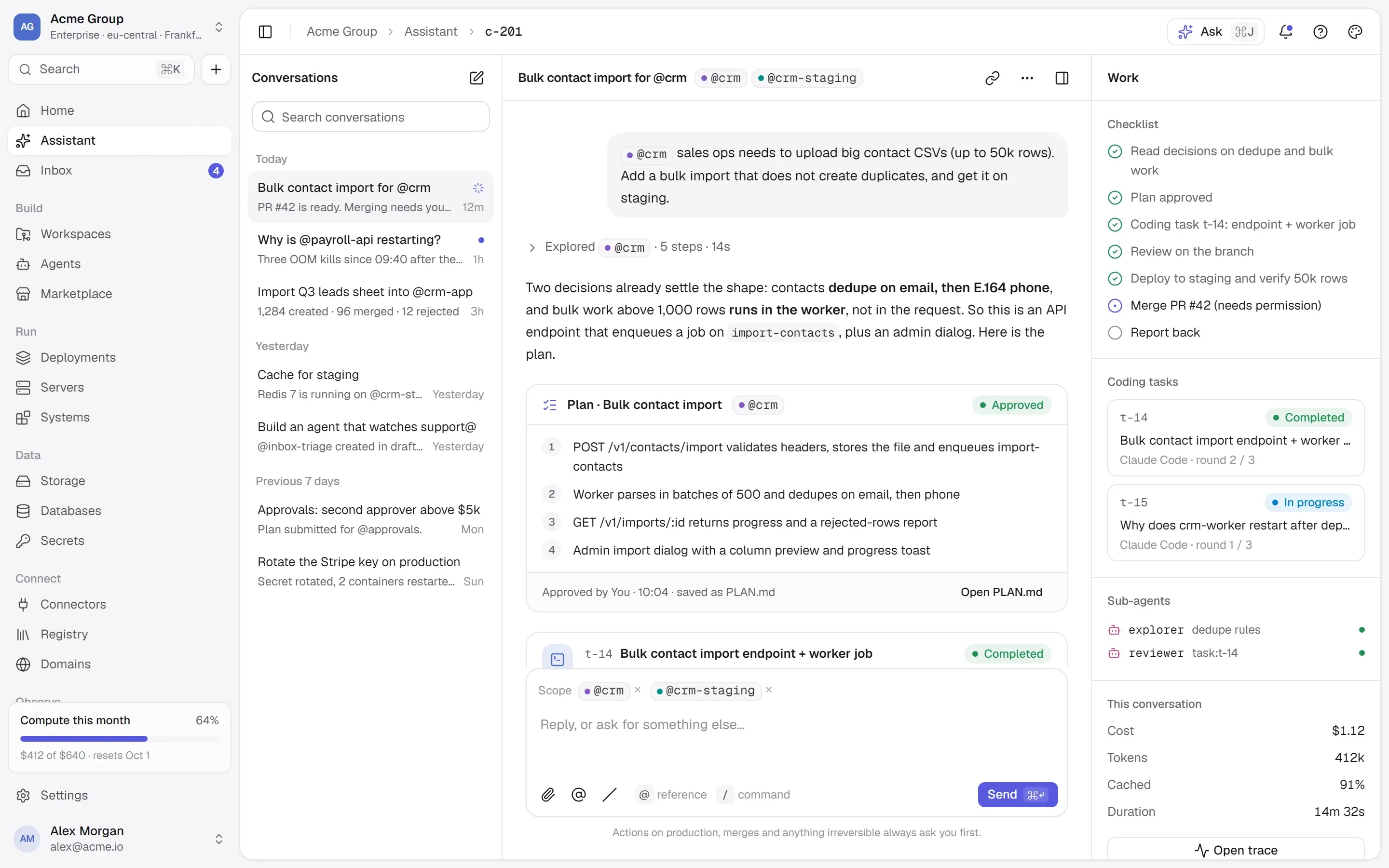
When you change how it looks, your choice is kept in your browser’s local storage, so it is still there when you come back. It never leaves your device:
| What | Why |
|---|---|
ts-site-theme |
dark, light or your system’s setting |
ts-site-accent |
the accent colour you chose |
ts-site-surface |
the surface tint you chose |
ts-site-palette |
the palette you chose |
You can clear them at any time by clearing this site’s data in your browser.
The TalkingSuites app
The app uses only strictly necessary cookies — ones it cannot work without:
| What | Why | How long |
|---|---|---|
| Sign-in session | Keeps you signed in. It holds a random value, can only be read by our server, and is sent only when your session is renewed. | Until you sign out, or 30 days without use |
| Single sign-on state | Protects a sign-in through your company’s identity provider from forgery. | A few minutes, during that sign-in |
The app also keeps your appearance choices in your browser’s local storage, like this website.
When you add a card, the form you type it into is provided by our payment processor, Stripe, which may set its own cookies to prevent fraud. Those are described in Stripe’s cookie policy.
Your choices
Because the app’s cookies are strictly necessary, it cannot sign you in without them. You can block or delete cookies in your browser’s settings; you will then be signed out.
If we ever add a cookie that is not strictly necessary, we will list it here first and ask for your consent where the law requires it.
Also: Privacy · Terms · Acceptable use · Data processing